Choosing the right notepad involves understanding paper weight, binding style, and size to match your specific writing or organisational needs. Features like perforated pages, FSC-certified paper, and custom sizing options help improve usability while supporting sustainability and brand consistency.
Not all notepads are created equally. Whether you’re scribbling meeting notes, journalling, sketching, or planning your day, the structure of your notepad can have a big impact on how effective and enjoyable it is to use. This guide breaks down the essential components that define a high-quality notepad, including paper type, binding style, size, and useful features. If you’ve ever wondered why some branded notepads feel better to write on than others, you’ll find everything you need to know right here.
The type of paper used in a notepad plays a key role in the writing experience. It affects how the page feels under your pen or pencil, and whether ink will bleed, smudge or show through.
Higher opacity paper helps prevent ghosting and is especially useful for writing on both sides of the page.
Binding affects how a notepad functions day to day. It determines how flat it lies, how easily pages turn, and how durable the pad will be.
Choose your binding based on how you plan to use your notepad and how often it needs to open flat or stay intact over time. For niche applications, consider offering specific notepads tailored to customer needs.
The size of your notepad should suit your purpose and lifestyle. Whether you need something compact or a spacious writing surface, the right size makes all the difference.
Traditional UK sizes like 178 × 229 mm are still used in some school and office notepads, although A-series sizes have become the standard.
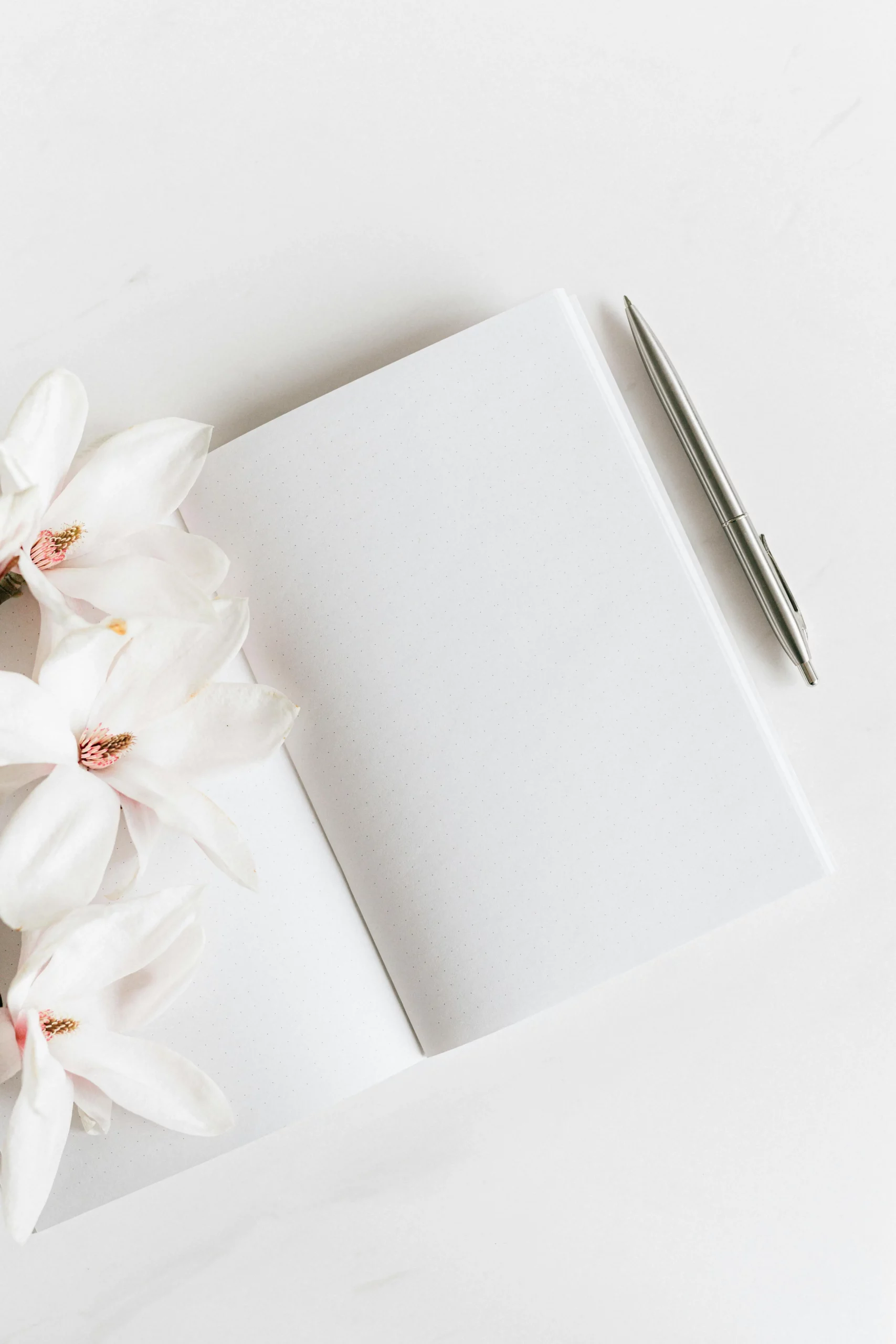
The best notepads include simple features that improve usability and convenience. Look for:
These features add to the usability and comfort of regular notepad use. Learn more.
Some notepads consistently stand out thanks to the way they combine quality materials with thoughtful design. For instance:
What makes them effective is that their specifications match the user’s intended purpose. Read more here: Why Aren’t My Printed Notepads Turning Out Right? 7 Common Mistakes

Before buying your next notepad, consider the following:
Your answers will guide your decision on paper quality, binding type, and size.
A well-made notebook supports how you write, plan and create. By understanding the importance of paper weight, binding options, and sizing, you can find one that fits your needs perfectly. Use this guide to help you select a notepad that suits your work, studies, or creative process.
Ready to find a notepad that ticks all the boxes? Explore your options and choose one that works best for you.
Printed Notepads
Unit 4-10 Stanton Road Ind. Est.
Stanton Road
Southampton
Hampshire
United Kingdom
SO15 4HU
© printednotepads.co.uk 2026 | Unit 4-10 Stanton Ind. Est, Southampton, Hampshire, UK SO15 4HU